The Importance of Regular Appliance Repair
In today's fast-paced world, our appliances play a crucial role in making daily tasks easier and more efficient. However, like any mechanical device, they require regular maintenance and timely repairs. Understanding the significance of appliance repair is essential not only for maintaining the functionality of your devices but also for ensuring safety and prolonging their lifespan. Neglecting minor issues can lead to more significant problems down the line, resulting in costly repairs or replacements. This article explores why regular appliance maintenance matters, common appliance issues, and how proactive repairs can save you time and money.
Why Appliance Maintenance Matters
Regular maintenance helps in identifying potential problems before they escalate. For instance, a refrigerator that fails to cool properly could lead to spoiled food, and ignoring it could result in a complete breakdown. Regular servicing of appliances ensures that they operate efficiently, which can also translate into energy savings. Appliances that are well-maintained tend to consume less electricity, thereby reducing your utility bills.
Common Appliance Issues and Solutions
Some of the most common issues with home appliances include:
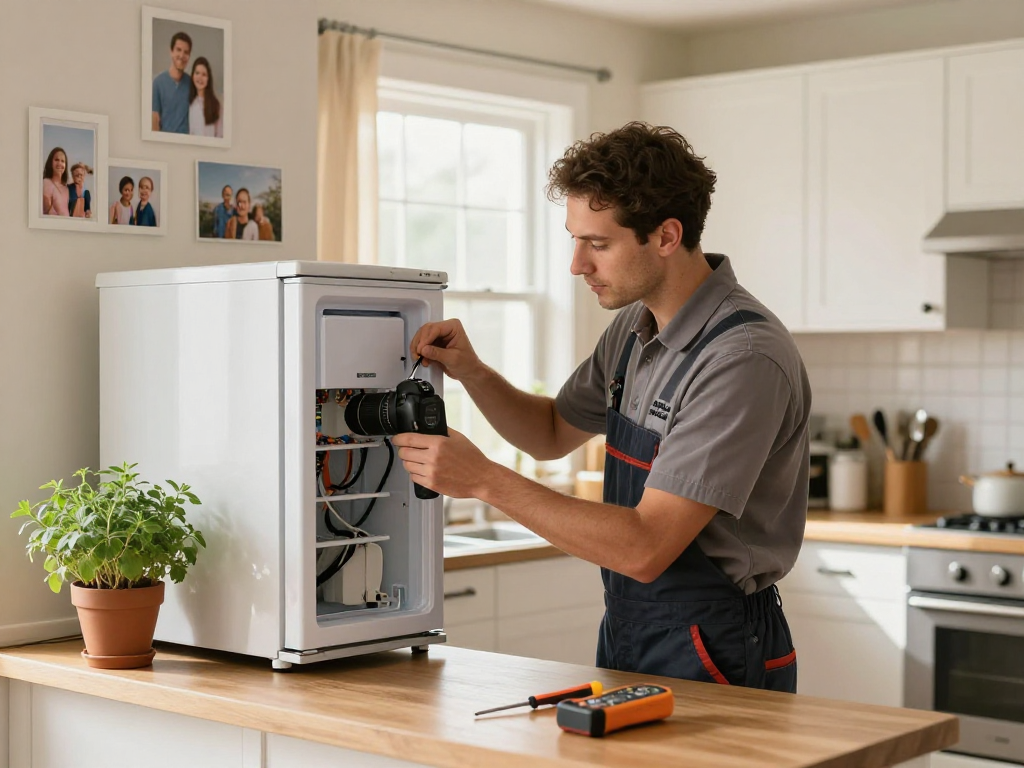
- Refrigerator issues: If the fridge is not cooling, it could be caused by a faulty thermostat or a clogged condenser coil. Regular cleaning and checking the thermostat can prevent these issues.
- Washing machine leaks: A washing machine that leaks could indicate a worn-out door seal or a clogged drain. Regular checks can often catch these problems early.
- Dishwasher not draining: This issue may arise from a clogged filter or drain hose. Regular maintenance can prevent build-up and ensure smooth operation.
Long-Term Benefits of Proactive Repairs
Investing in regular appliance repair can save you significantly in the long run. Not only does it enhance the efficiency of your appliances, but it also helps in maintaining their value. Regular servicing can sometimes identify warranty issues, ensuring that you're covered in the event of a major malfunction. For more information on trusted services, Appliance Repair options are available in your area.
Identifying When to Call for Professional Appliance Repair
Knowing when to step in with professional help is key to maintaining your appliances. While some issues may be easy to fix with a quick DIY solution, others might require expert attention. Recognizing the signs that your appliance needs repair can prevent further damage and save you money over time.
Signs Your Appliance Needs Repair
Look for the following signs:
- Unusual noises or vibrations during operation.
- Appliances are not functioning as intended (e.g., the oven doesn't heat).
- Increased energy bills without any significant change in usage.
- Visible wear and tear or leaks around the appliance.
DIY vs. Professional Repair: Making the Right Choice
While some minor repairs can be handled on your own, knowing when to call a professional can be crucial. Simple tasks, such as changing a lightbulb or cleaning filters, are manageable. However, more complex issues that involve electrical components or intricate machinery are best left to trained professionals.
Understanding Warranty Limitations
It's vital to know the specifics of your appliance's warranty. Many warranties cover only specific types of damage and may require professional service to remain valid. If you attempt a repair that voids the warranty, you could end up paying for costly repairs out of pocket.
Essential Tools for Appliance Repair at Home
If you're inclined to tackle some repairs yourself, having the right tools is essential. Investing in quality equipment can make your job easier and safer.
Must-Have Tools for DIY Repairs
Some essential tools include:
- Screwdrivers: A good set of screwdrivers (both Phillips and flathead) is needed for most repairs.
- Pliers: Useful for gripping and twisting various components.
- Multimeter: Essential for diagnosing electrical issues.
- Wrenches: Necessary for tightening or loosening nuts and bolts.
Safety Equipment to Consider
When working on appliances, safety should always come first. Make sure to have:
- Safety goggles: Protect your eyes from debris or chemicals.
- Gloves: These keep your hands clean and protected from sharp edges.
- Ear protection: If you're working with loud tools, consider earplugs or earmuffs.
Where to Purchase Quality Repair Tools
High-quality repair tools can be found at local hardware stores, or online retailers. Popular brands often come with warranties and guarantees of quality, ensuring you're making a smart investment.
Choosing the Right Appliance Repair Service
When it comes to selecting a repair service, several factors come into play. The right choice can save you time and money, and ensure your appliances are in good hands.
Factors to Consider When Selecting a Repair Service
Keep the following points in mind:
- Experience: Look for a service with a proven track record and years of experience in the industry.
- Certifications: Ensure that the technicians are certified and trained to work on the type of appliances you own.
- Warranty on Services: A reputable service should offer a warranty on repairs, providing peace of mind.
Questions to Ask Your Appliance Repair Technician
Before agreeing to a repair, it's vital to ask questions such as:
- What is the estimated cost for the repair?
- Is there a warranty on the parts used?
- How long will the repair take?
Reading Customer Reviews and Testimonials
Before selecting a repair service, take the time to read customer reviews and testimonials. They can provide invaluable insight into the quality of service and customer satisfaction. Look for patterns in reviews to gauge reliability and efficiency.
Future Trends in Appliance Repair Services for 2026
The appliance repair industry is constantly evolving. Understanding the trends that will shape the sector in the coming years will help you make informed decisions about repairs and service.
Emerging Technologies in Home Appliances
With advancements in technology, appliances are becoming more sophisticated. This means repair technicians will need to stay updated on the latest technologies and repair techniques. Expect to see more diagnostic tools that can predict potential issues before they arise.
The Rise of Smart Appliances and Their Maintenance
Smart appliances are increasingly popular, offering features like remote control and energy efficiency monitoring. However, their complexity may pose challenges for repairs. It's essential to choose a technician who is familiar with smart technology and can handle related repairs.
Predictions for the Appliance Repair Industry
By 2026, the appliance repair industry is predicted to incorporate more AI, automating routine repairs and diagnostic assessments. Expect to see a surge in mobile repairs, where technicians can operate from mobile apps to schedule and perform their services more efficiently.
What are Effective Preventive Measures?
Preventive measures can help you maintain your appliances effectively. Regularly clean your appliances, check for wear and tear, and schedule professional maintenance to catch issues early. This can extend the lifespan of your appliances and enhance their efficiency.
How to Extend the Lifespan of Your Appliances?
To extend the lifespan of your appliances, consider the following tips:. Additionally, Washer Specialists provides further details.
- Keep appliances clean and free from debris.
- Use appliances according to the manufacturer's instructions.
- Address issues promptly before they become severe.