Understanding Mold Remediation in Vancouver
Mold remediation is a critical service in Vancouver, especially considering the city’s coastal climate, which creates the ideal conditions for mold growth. Properties in this region are often susceptible to water intrusion and humidity, making effective mold remediation essential not only for health but also for property integrity. When exploring options, Mold Remediation Vancouver provides comprehensive insights into best practices and effective techniques to ensure that mold is eliminated safely and thoroughly.
What is Mold Remediation?
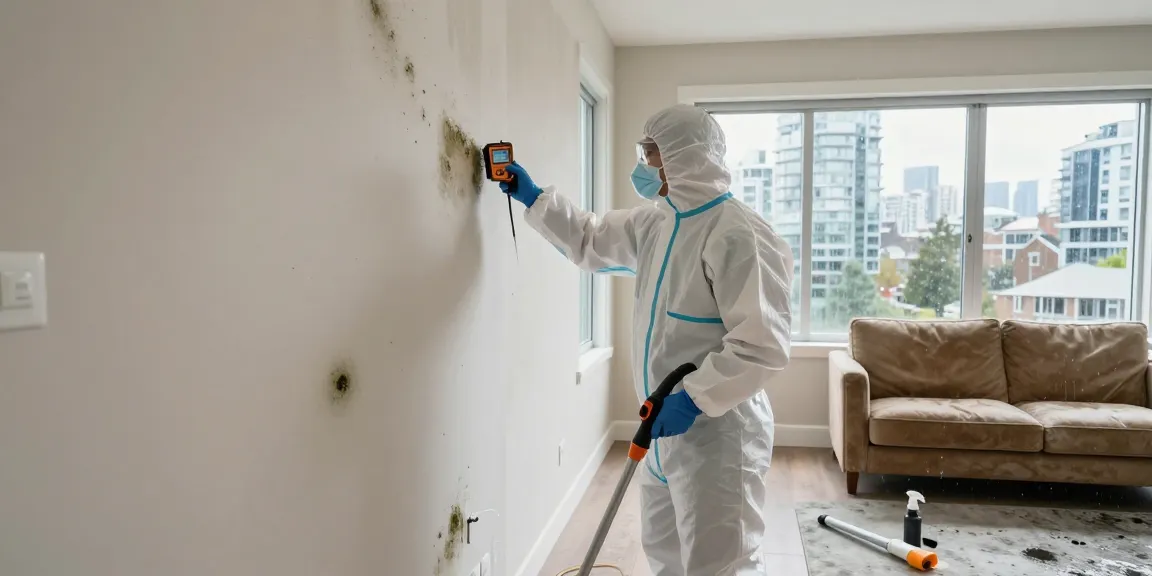
Mold remediation refers to the process of identifying, containing, and removing mold from indoor environments. This encompasses not only the physical removal of mold but also taking steps to prevent its return by addressing the underlying moisture issues that allow mold to flourish. Effective remediation requires a combination of skills and tools, including moisture meters, air sampling equipment, and knowledge of building science.
Why Mold Remediation is Essential in Vancouver?
The importance of mold remediation in Vancouver cannot be overstated. The city experiences high levels of rainfall and humidity, particularly in the winter months, creating conditions that are conducive to mold growth. Left unaddressed, mold can lead to significant health problems, including respiratory issues and allergic reactions. Additionally, mold can compromise the structural integrity of homes and businesses, leading to costly repairs. Thus, prompt and effective remediation is essential for maintaining a safe and healthy indoor environment.
Common Types of Mold Found in Vancouver Homes
In Vancouver, several types of mold are commonly found in homes, including:
- Aspergillus: Often found in homes, it can cause allergic reactions and respiratory issues.
- Stachybotrys (Black Mold): This toxic mold can cause severe health problems, including headaches, skin irritation, and respiratory issues.
- Penicillium: Frequently found in water-damaged areas, it can cause respiratory issues and allergies.
- Cladosporium: Commonly found in damp areas, this mold can lead to allergy-like symptoms.
Identifying Mold Issues in Vancouver Properties
Signs You Need Mold Remediation
Recognizing the signs of mold is the first step in ensuring effective remediation. Common indicators include:
- Visible Mold: Discovery of black, green, or white growth on walls, ceilings, or floors.
- Musty Odor: A persistent damp smell can be a strong indicator of hidden mold growth.
- Water Damage: Signs of water leaks or damage can often accompany mold issues.
- Allergic Reactions: Frequent allergic symptoms among inhabitants may signal the presence of mold.
Common Moisture Sources in Vancouver Homes
Identifying sources of moisture is crucial for effective mold remediation. Common moisture sources in Vancouver properties include:
- Roof leaks from heavy rainfall.
- Condensation from poorly ventilated areas, such as attics and crawl spaces.
- Leaking plumbing fixtures or appliances.
- Water intrusion from basements or inadequate drainage systems.
How to Conduct a Preliminary Mold Inspection
A thorough inspection is necessary to assess the extent of mold growth. Here’s how to conduct a preliminary inspection:
- Start with visible checks in areas where mold is likely to grow, such as bathrooms, kitchens, and basements.
- Use a moisture meter to check for hidden damp areas behind walls or under floors.
- Look for signs of water damage or leaks that might indicate a mold problem.
- If you suspect hidden mold, consider hiring a professional mold inspector for a comprehensive assessment.
The Comprehensive Mold Remediation Process
Steps Involved in Effective Mold Remediation
The mold remediation process typically involves several key steps:
- Assessment: Inspect the property to identify the presence and extent of mold and moisture issues.
- Containment: Set up barriers to prevent the spread of mold spores during removal. This includes using plastic sheeting and negative air pressure systems.
- Removal: Safely remove all contaminated materials, including drywall, flooring, and insulation, as needed.
- Cleaning: Use specialized cleaning agents and techniques to clean and sanitize remaining surfaces.
- Restoration: Make necessary repairs to structural elements and restore the affected areas to their original condition.
The Role of HEPA Filtration in Mold Removal
HEPA (High-Efficiency Particulate Air) filtration plays a crucial role in mold remediation. These filters can capture 99.97% of particles that are 0.3 microns or larger, including mold spores. During the remediation process, HEPA air scrubbers are used to clean the air and ensure that spores are not recirculated in the environment. This step is vital for restoring healthy air quality post-remediation.
Documenting the Remediation Process for Insurance Claims
Proper documentation is essential, especially if you plan to file an insurance claim. This documentation typically includes:
- Before and after photographs of the affected areas.
- Detailed reports on the inspection findings, remediation actions taken, and any materials removed.
- Invoices and estimates for the costs associated with the remediation.
This thorough documentation helps to validate your claim and ensure that you can recover costs effectively.
Preventing Mold Growth in Vancouver
Best Practices for Mold Prevention in Coastal Homes
Implementing best practices for mold prevention can help mitigate risks in Vancouver's humid environment:
- Regular Inspections: Periodically inspect your property for signs of moisture or mold.
- Improve Ventilation: Ensure that bathrooms, kitchens, and other moisture-prone areas have adequate ventilation.
- Control Humidity: Use dehumidifiers to maintain indoor humidity levels between 30-50%.
- Seal Leaks: Repair any leaks in roofs, windows, and plumbing immediately to prevent mold growth.
Seasonal Tips for Homeowners to Combat Mold
Seasonal changes can increase the risk of mold growth. Here are some tips to combat mold during different seasons:
- Spring: Ensure drainage systems are clear to prevent water accumulation from melting snow.
- Summer: Monitor humidity levels and use air conditioning to reduce moisture in the air.
- Fall: Clean gutters and downspouts to prevent water from seeping into the foundation.
- Winter: Insulate pipes to prevent condensation and ensure heating systems are functioning properly.
Utilizing Antimicrobial Treatments Effectively
Using antimicrobial treatments can be an effective way to prevent mold growth after remediation. Consider the following:
- Choose products that are specifically formulated for mold prevention.
- Apply treatments in areas prone to high moisture.
- Follow the manufacturer's instructions carefully to ensure effectiveness.
Frequently Asked Questions about Mold Remediation
How Long Does Mold Remediation Take?
The duration of mold remediation depends on several factors, including the extent of the mold growth and the size of the affected area. Typically, remediation can take anywhere from a few hours to several days. A professional assessment can provide a more accurate timeline.
Can You Stay in Your House During Mold Remediation?
While some minor mold remediation work can be done while you remain in the home, extensive mold removal often requires vacating the premises. It's crucial to follow the recommendations of your remediation team to ensure safety.
What Are the Costs Associated with Mold Remediation in Vancouver?
The cost of mold remediation varies widely based on factors such as the extent of damage, area affected, and the complexity of the remediation process. Homeowners should budget anywhere from $500 to several thousand dollars for comprehensive mold remediation services. An upfront inspection can provide a more tailored estimate.